Quick Answer When a newborn turns their head toward a touch on the cheek, opens their mouth, and begins searching, most caregivers immediately think one thing: The baby is hungry. […]
For many families, feeding a baby or young child can feel far more complicated than expected. While some feeding challenges are temporary and developmentally normal, others may signal a deeper concern that deserves attention and support.
In honor of Food Allergy Awareness Week and Pediatric Feeding Disorder (PFD) Awareness Month, we want to help bring awareness to Pediatric Feeding Disorder, commonly referred to as PFD, and why recognizing the signs early matters for both children and families.
At Newborn Care Solutions, we believe education empowers caregivers. Whether you are a parent, nanny, Newborn Care Specialist, postpartum doula, or healthcare professional, understanding feeding difficulties can help families seek appropriate support sooner and reduce the emotional stress that often accompanies feeding challenges.
According to Feeding Matters, Pediatric Feeding Disorder is defined as impaired oral intake that is not age-appropriate and is associated with medical, nutritional, feeding skill, and/or psychosocial dysfunction.
In simpler terms, PFD occurs when a child struggles with eating, drinking, or feeding in ways that impact their growth, nutrition, development, or overall well-being.
Current conservative estimates suggest that PFD affects more than 2.3 million children under the age of five in the United States each year.
While feeding challenges can vary greatly from child to child, PFD is not simply a “picky eater” situation. Feeding difficulties can have complex underlying causes and often require a multidisciplinary approach for proper evaluation and support.
Parents and caregivers are often the first to recognize when something feels off during feeding. Trusting those instincts matters.
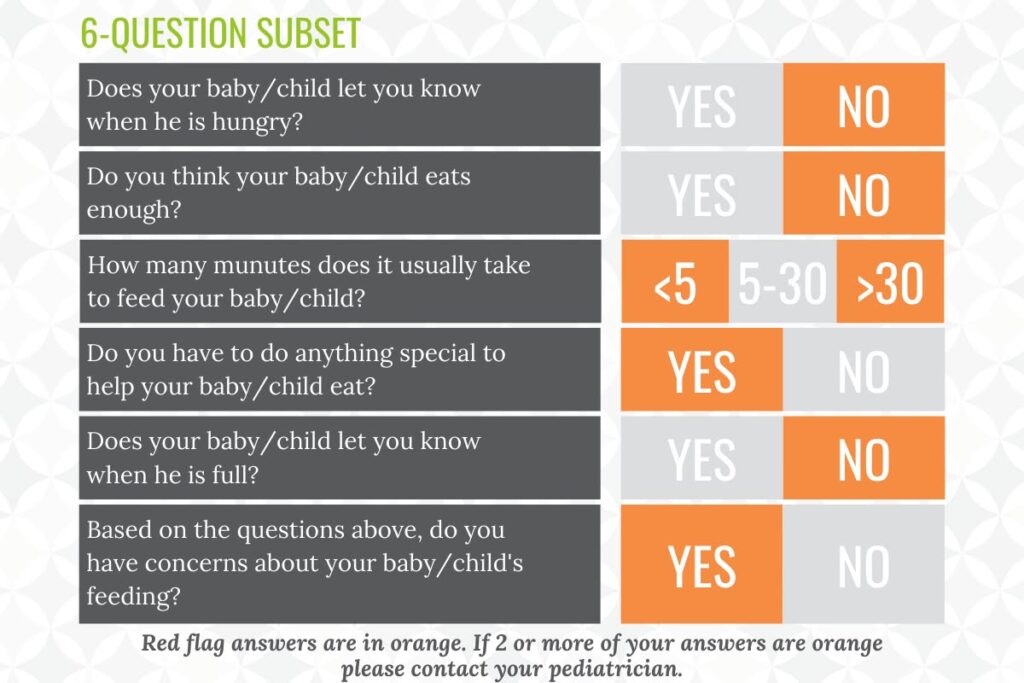
Some signs that may indicate a feeding disorder or feeding difficulty include:
Not every child displaying one of these signs has Pediatric Feeding Disorder, but persistent feeding concerns should never be dismissed without discussion and appropriate evaluation.
One of the most overlooked aspects of feeding difficulties is the emotional toll they can take on parents and caregivers.
Feeding is often deeply tied to nurturing, bonding, and parental confidence. When feeding becomes stressful, many parents begin questioning themselves or feeling isolated, overwhelmed, or discouraged.
Families may hear well-meaning comments such as:
While some feeding phases are temporary, ongoing concerns deserve compassionate attention rather than dismissal.
Caregivers supporting families should approach feeding concerns with empathy, nonjudgmental communication, and evidence-based guidance.
Early identification and intervention can significantly improve outcomes for children experiencing feeding challenges.
The earlier concerns are recognized, the sooner families can access supportive services that may include:
Addressing feeding concerns early may help reduce nutritional deficiencies, support oral motor development, improve growth outcomes, and lessen family stress surrounding meals and feeding routines.
Newborn Care Specialists, postpartum doulas, nannies, and infant caregivers are often uniquely positioned to observe early feeding patterns and concerns.
While caregivers should never diagnose medical conditions, they can:
Education matters because informed caregivers are often better equipped to recognize when something may need further attention.
It is important to remember that awareness is not meant to create panic. Many feeding concerns can improve with proper support, evaluation, and intervention.
The goal is not to alarm families but to encourage early conversations, reduce stigma, and remind parents that they do not have to navigate feeding challenges alone.
If you have concerns about your child’s feeding, trust your instincts and speak with your pediatric healthcare provider.
Feeding Matters provides excellent educational resources, screening tools, and support for families and professionals seeking more information about Pediatric Feeding Disorder.
Learn more here:
At Newborn Care Solutions, we are committed to providing evidence-based education for newborn care professionals and supportive resources for families navigating the early stages of parenthood. Through professional training, newborn education, and caregiver support, we believe informed care can make a meaningful difference for both babies and families.
Quick Answer When a newborn turns their head toward a touch on the cheek, opens their mouth, and begins searching, most caregivers immediately think one thing: The baby is hungry. […]
Quick Answer It happens constantly: a newborn finally falls asleep in someone's arms, the caregiver carefully lowers them into the crib, and within seconds their eyes open and their arms […]
Quick Answer One of the most important skills a Newborn Care Specialist can develop is knowing not only what they know—but where their professional role ends. Newborn Care Specialists provide […]